Our Building Materials
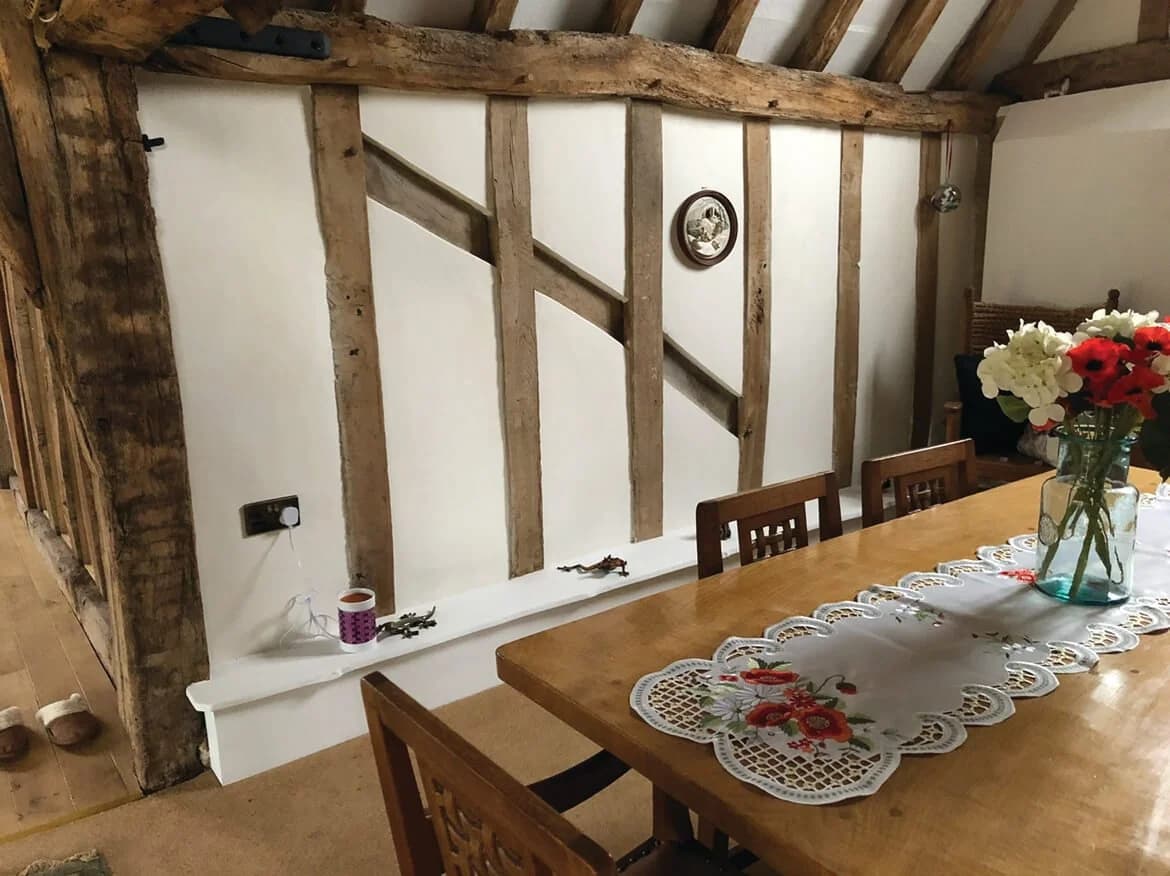
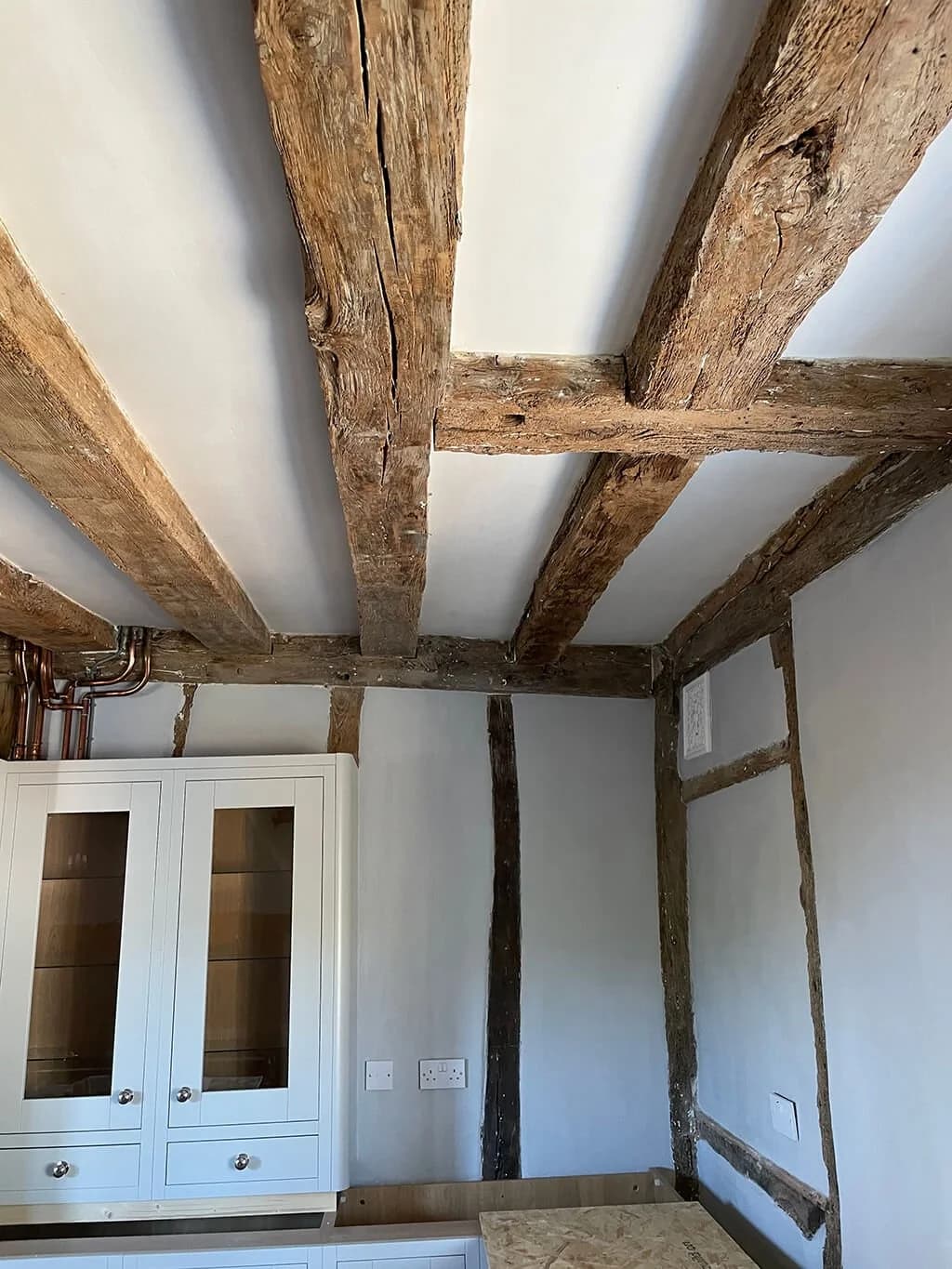
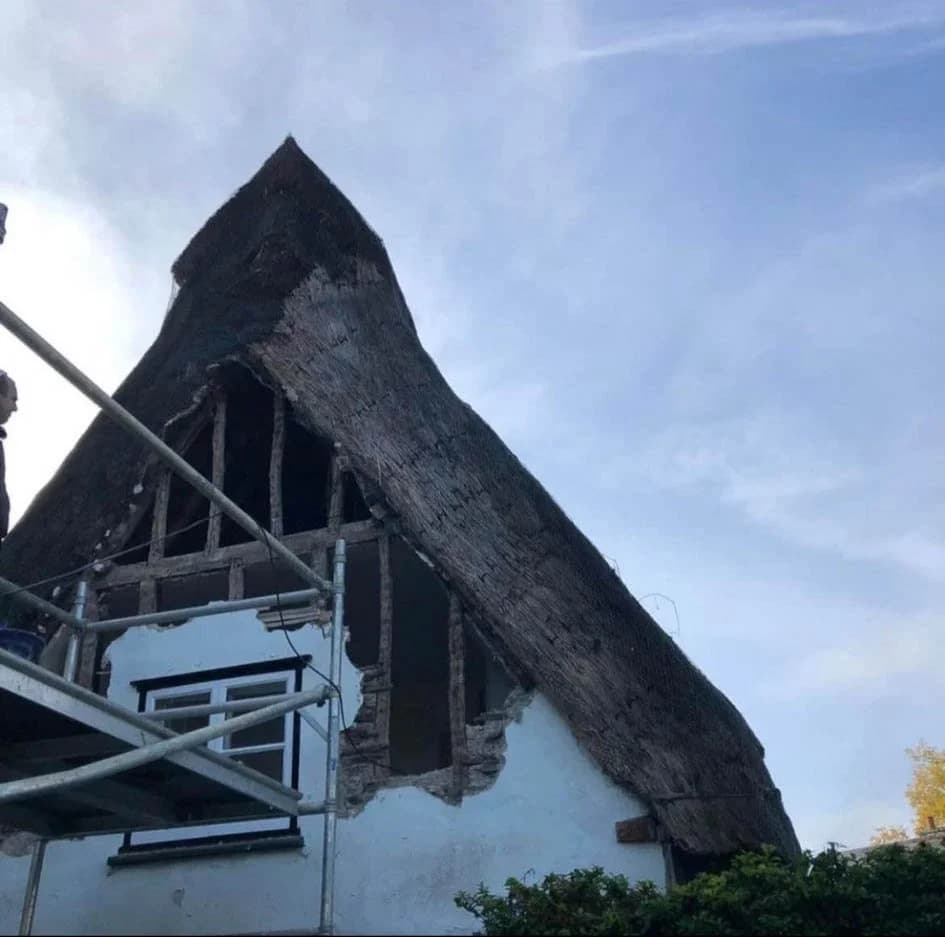
The fact that plaster can still be commonly found is a testament to the robust and tenacious nature of the lime plaster mix. These qualities were undoubtedly there by design. When dealing with timber-framed buildings, especially built with green oak, there can be a phenomenal amount of background movement as the timber dries out. This movement would have been too much for the far more rigid, heavy sand based mixes and would have resulted in failure.
Limecote™ (Non-Hydraulic Plaster)
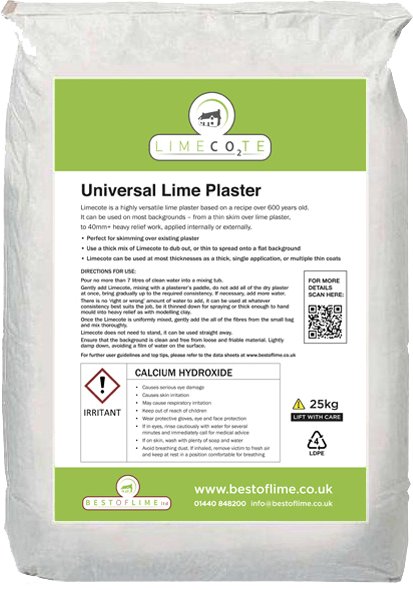
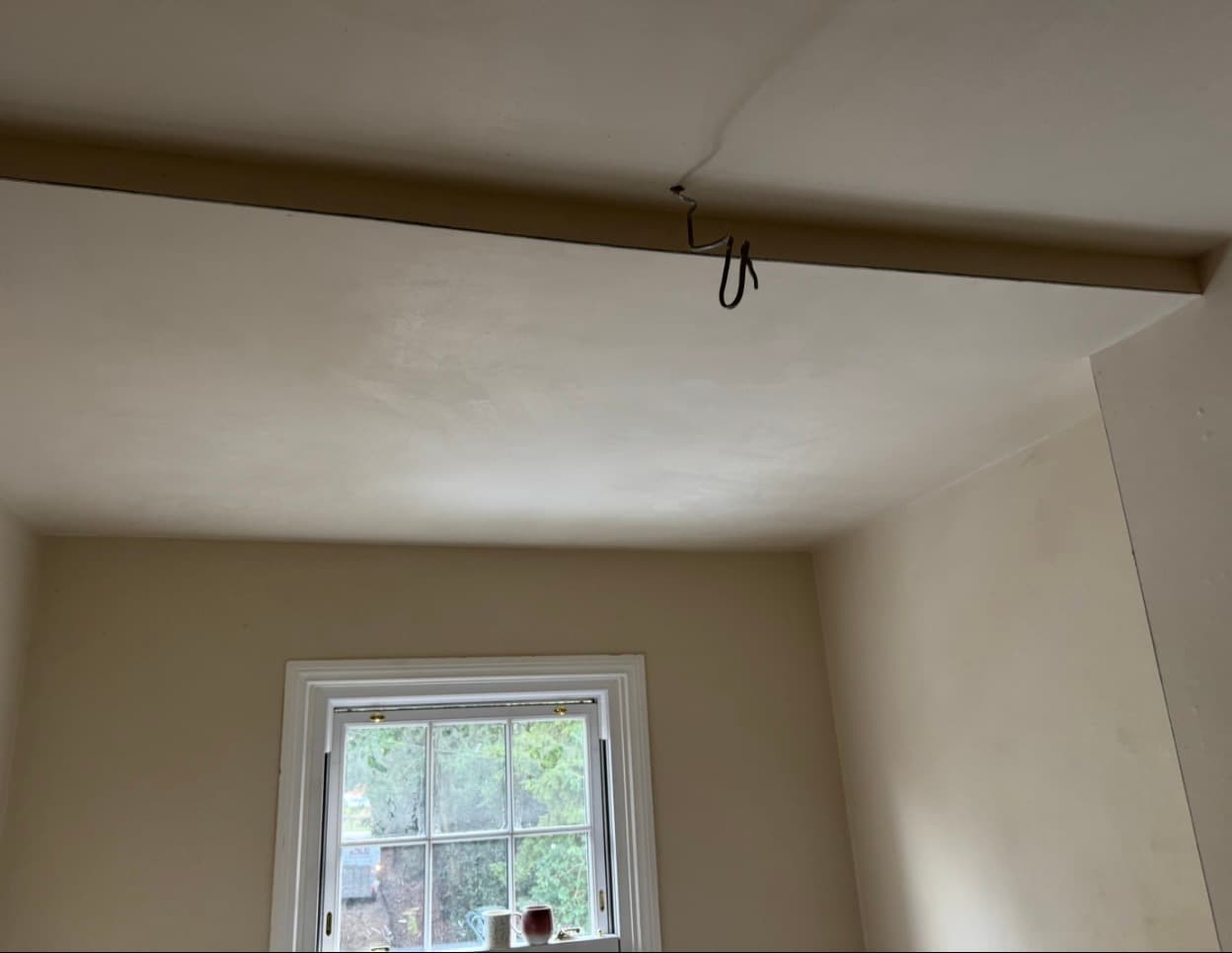
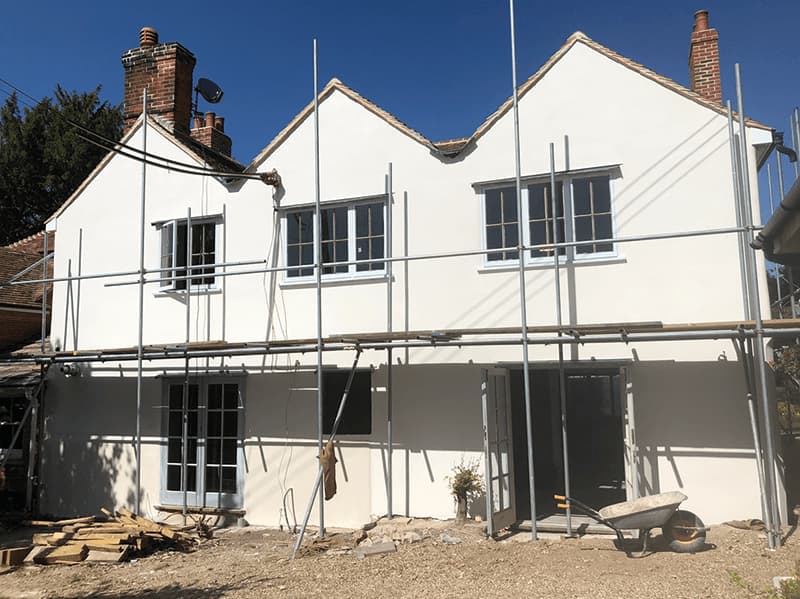
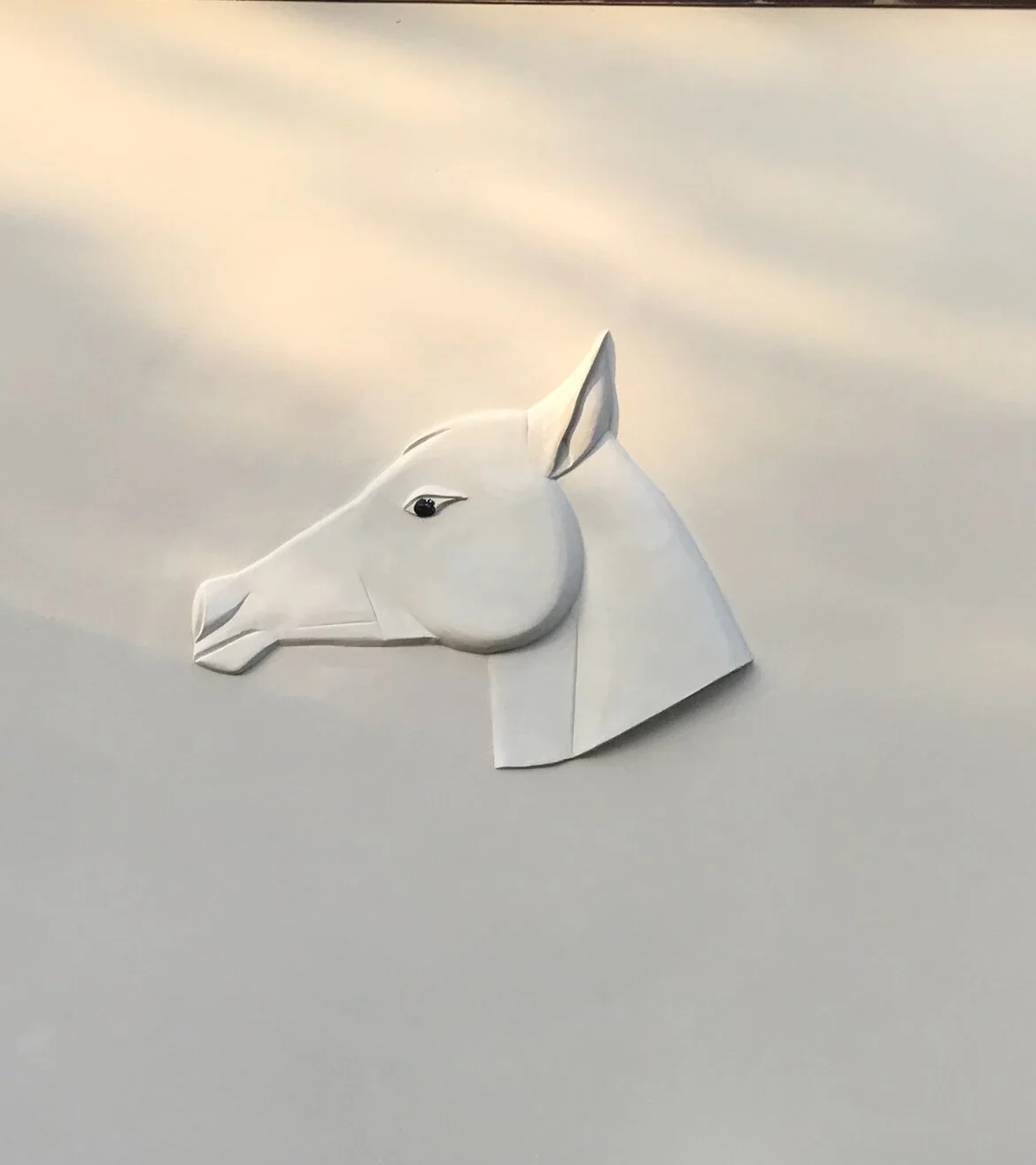
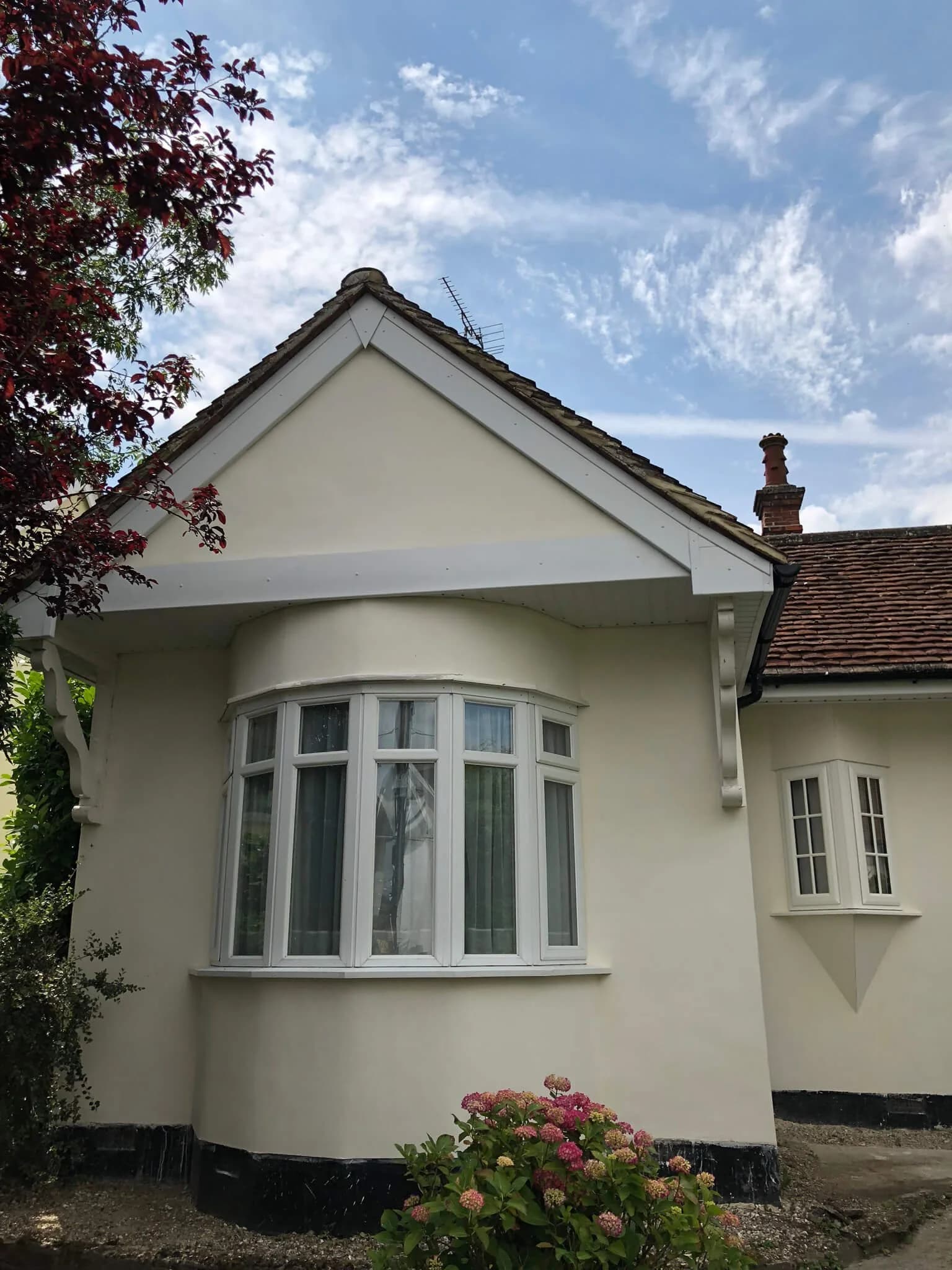
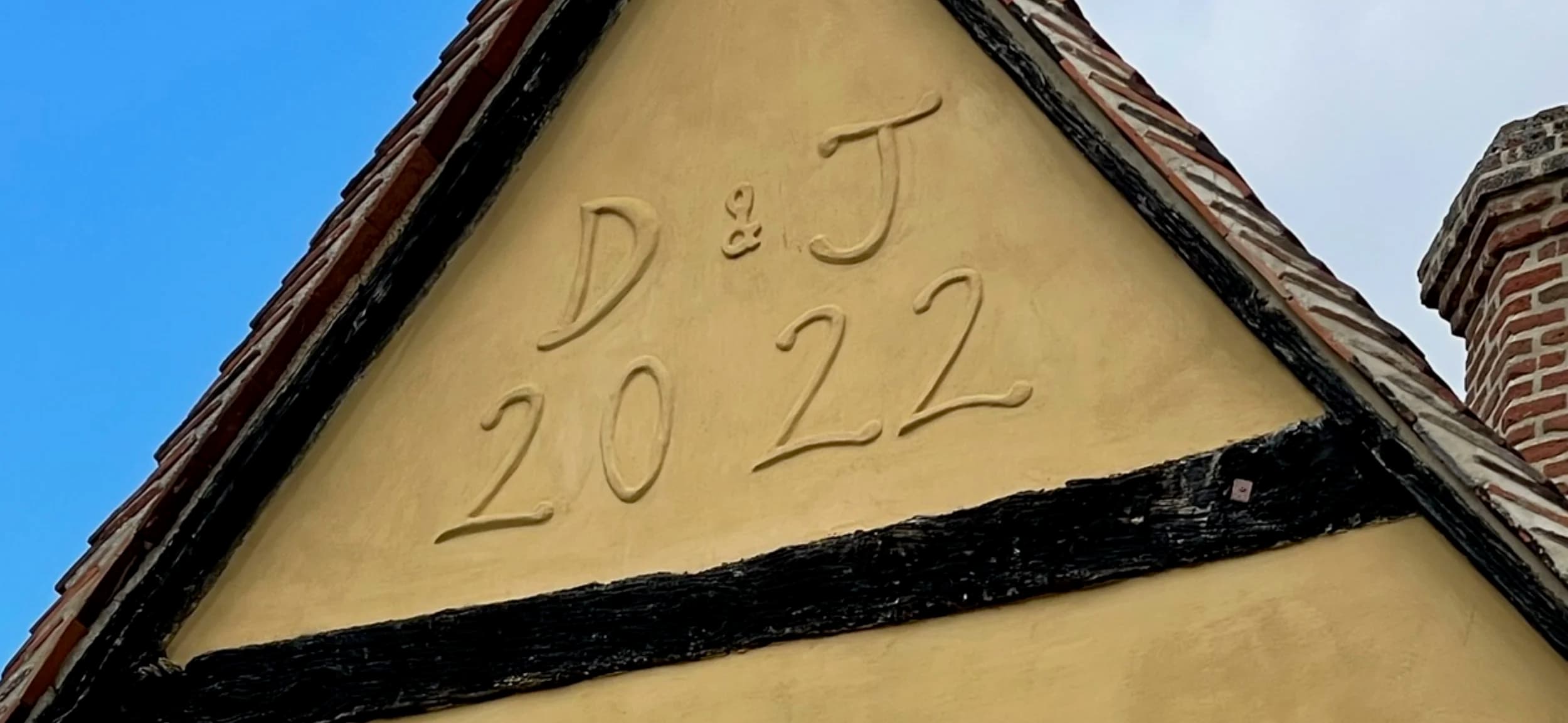
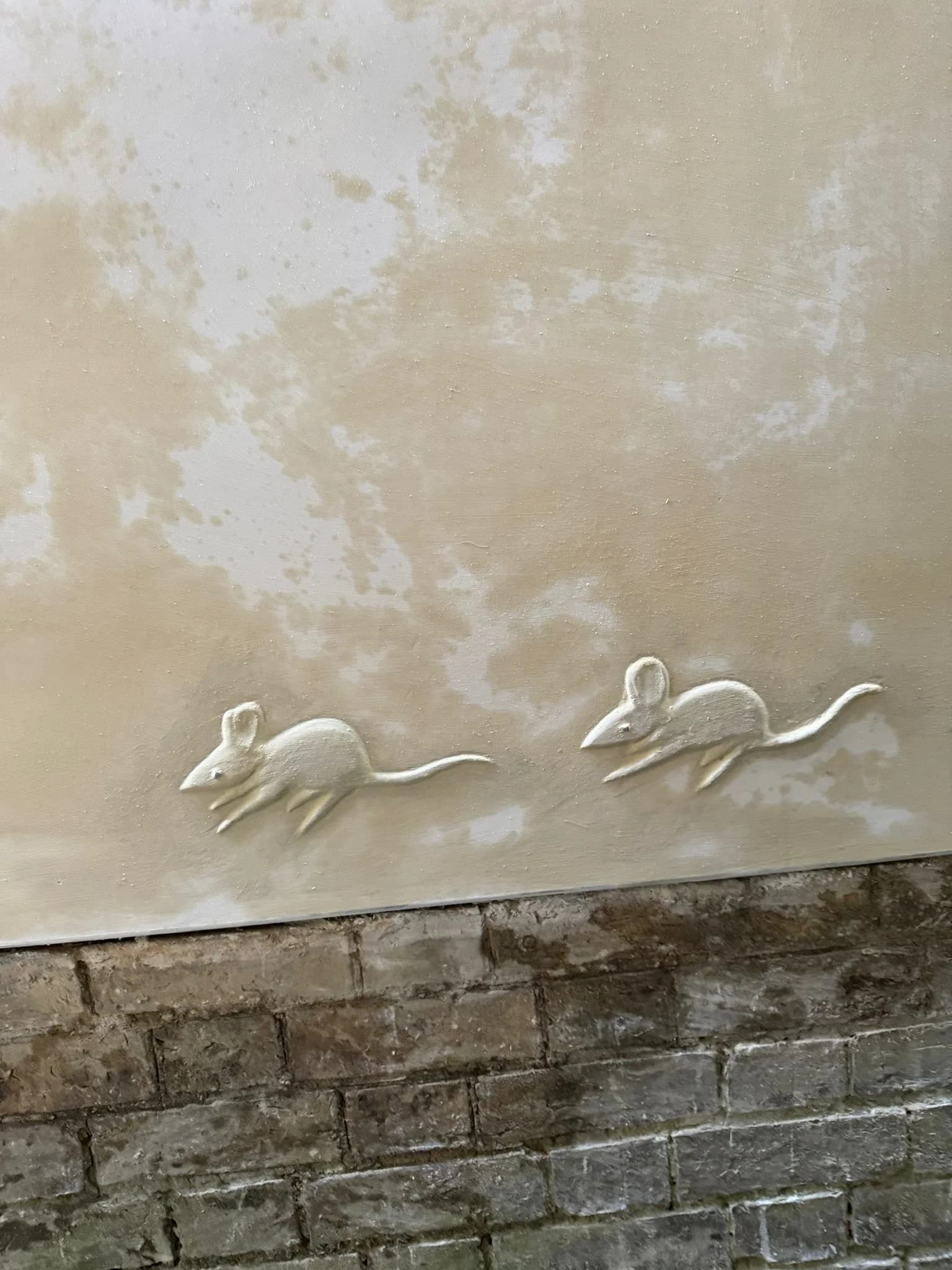
Limecote™ is a non-hydraulic plaster made using East Anglian chalk and Derbyshire lime. It sticks to most surfaces, is phenomenally flexible, and can be used internally or externally, for anything from a thin finish coat over historic plaster to heavy relief pargetting.
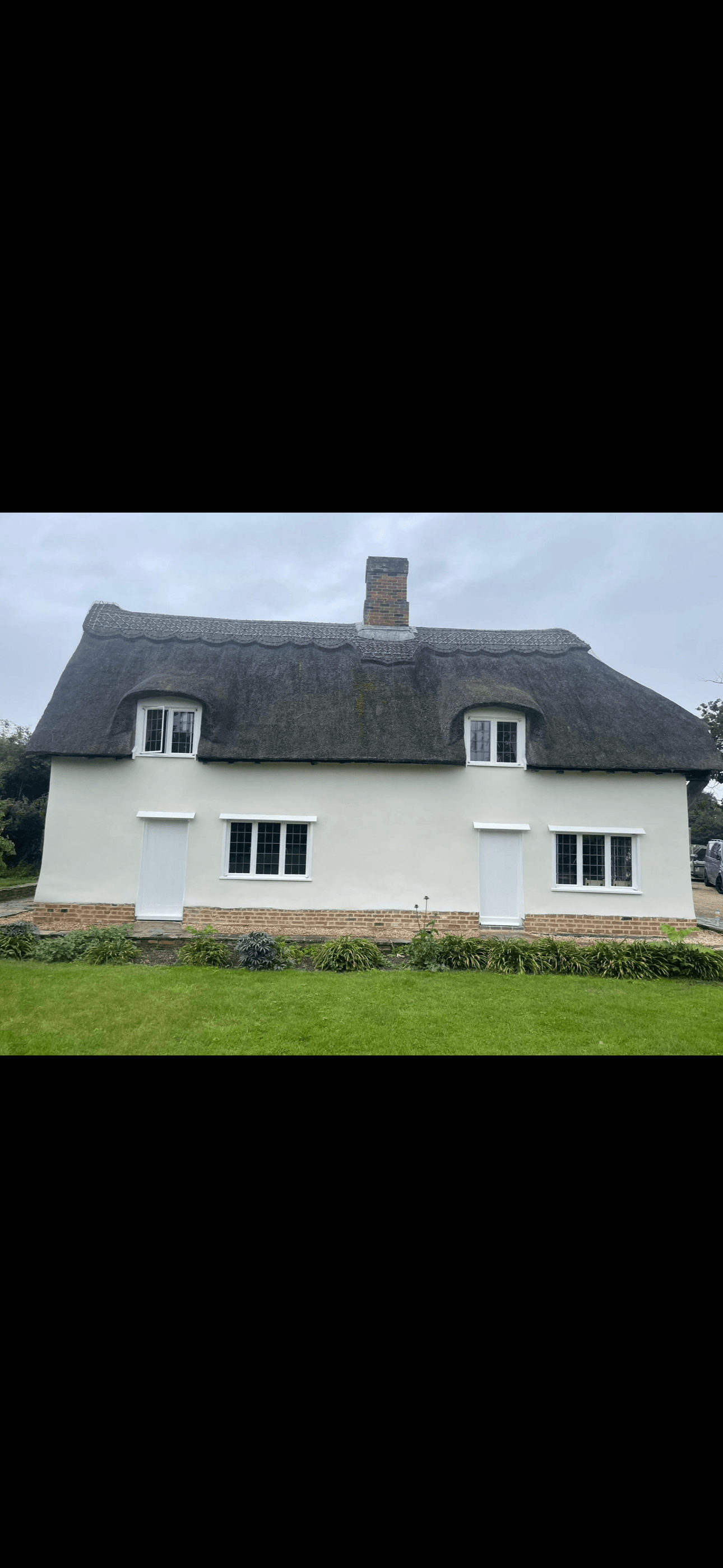
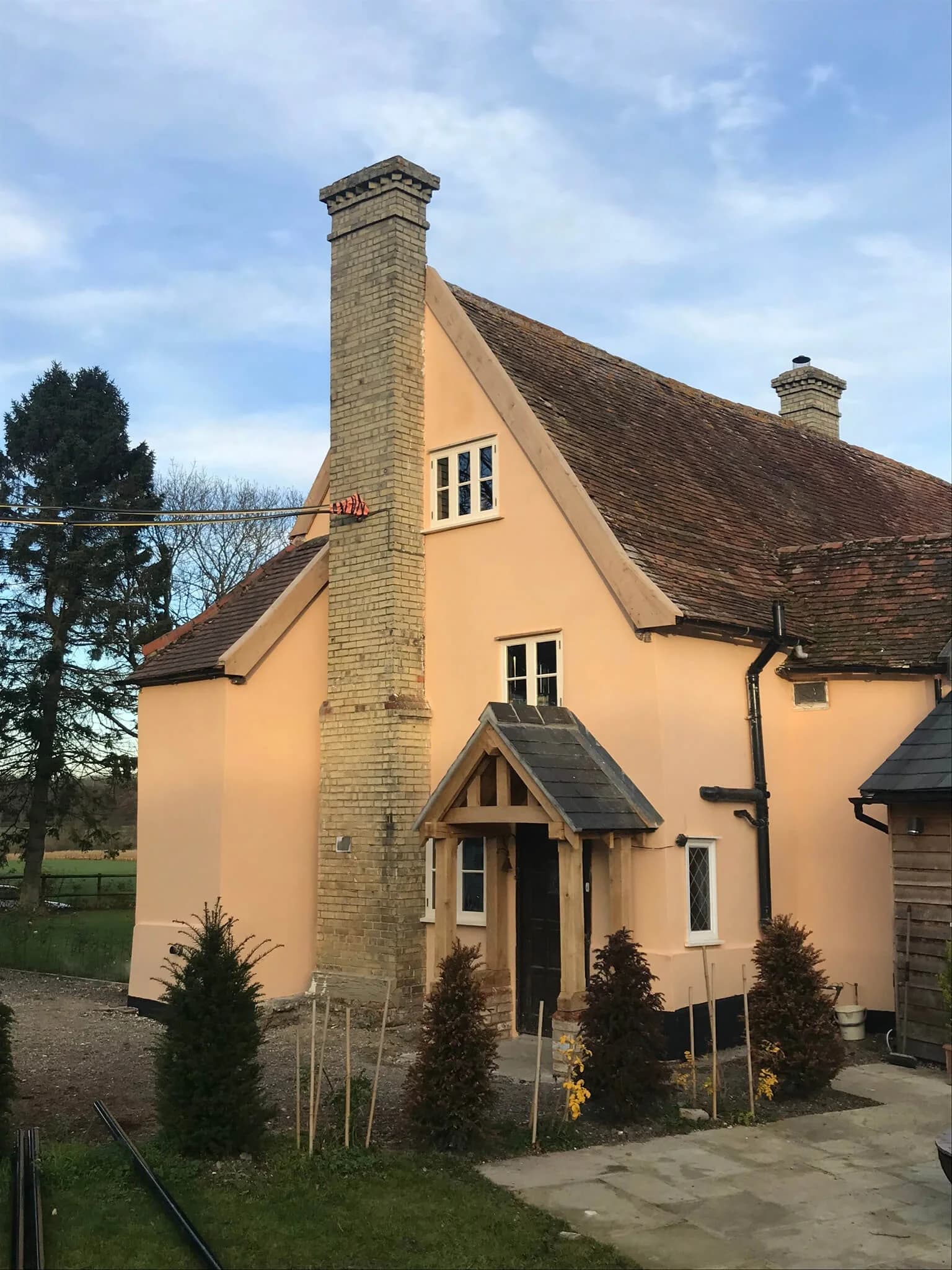
Limecote™ is based on a lost English medieval lime plaster recipe, once used commonly, particularly on timber-framed buildings. It can still be easily found in 15th to 18th Century buildings — from the humblest thatched cottage to the grandest, high-status mansions. It is highly likely that the recipe was used for one of the most extravagant buildings Europe has ever seen: Nonsuch Palace, Henry VIII's grandest and most elaborate building project.
Warmcote™ (Insulated Plaster)
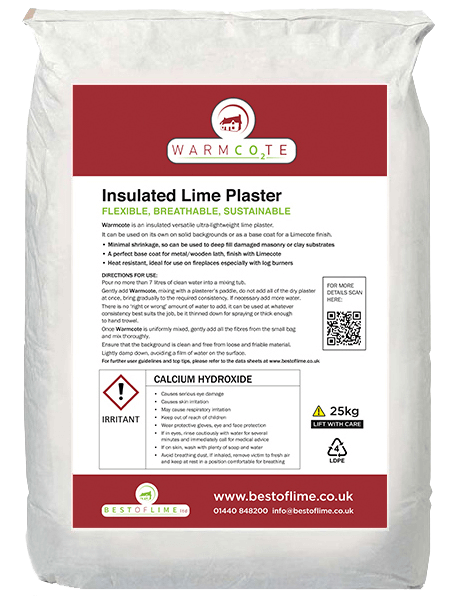
Warmcote™ has been developed to offer insulation for traditional, historic buildings where the use of modern systems would be inappropriate and potentially damaging. Used in conjunction with sustainable, breathable boards such as cork, wood fibre or sprayed hemp, Warmcote's traditional lime plaster mix can make a significant improvement to the living environment of a home, as well as reducing the energy bill and the carbon footprint.
The original drive behind its development was to offer some thermal benefit to traditional 'hard to insulate' buildings, particularly timber-framed buildings where it may be aesthetically undesirable to apply boards to the exterior. It is breathable, flexible, very lightweight and can be applied at practically any thickness. Warmcote™ is incredibly useful if you are making good damaged clay lump, cob, masonry or daub.
Warmcote™ is about five times more thermally efficient than standard lime plaster, and eight times better than sand and cement.
Rendercote (Robust Exterior Finish)
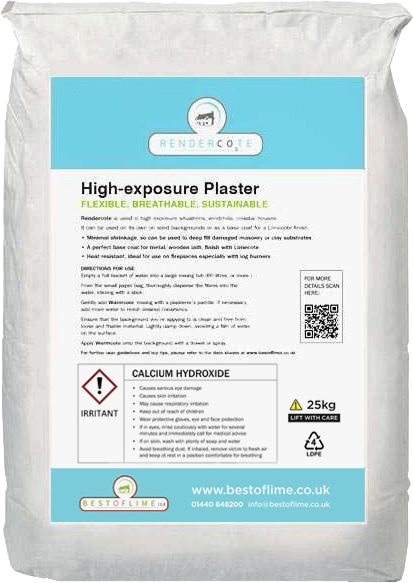
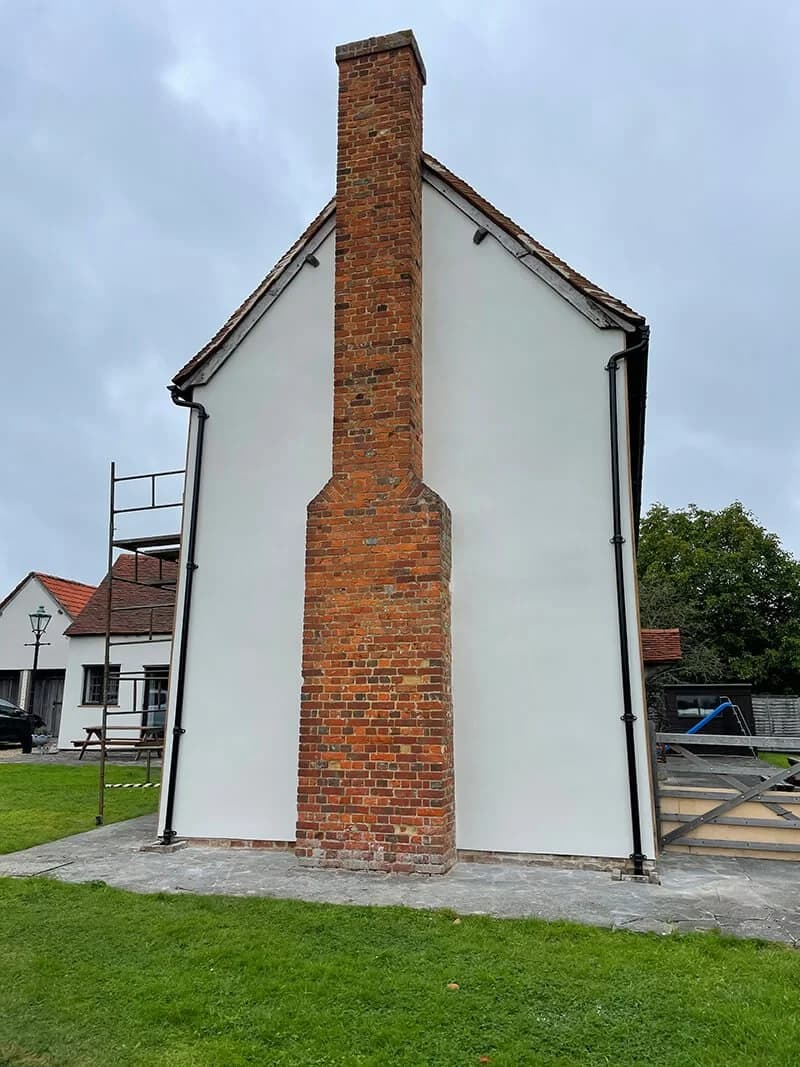
Rendercote is based on our best understanding of the probable mix used for the high relief stucco work at Hardwick Old Hall in Derbyshire, a lime plaster finish exposed to the elements since the mid eighteenth century.
Rendercote is based on a blend of limestone aggregates, sourced mostly from the Buxton area. It is combined with a moderately hydraulic lime and natural stearate to repel liquid water but allow free transport of water vapour. It is for use only on masonry backgrounds and is intended as a robust two coat system for high exposure areas such as parapet walls, chimneys and plinths, as well as windmills and lighthouses.
Laths (Wood Lathing)
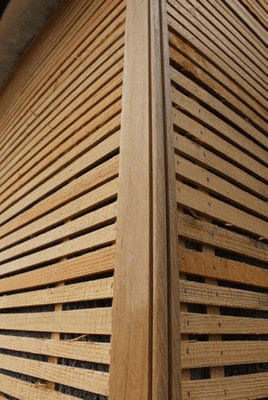
Our laths are the result of many years of observation of how different species of wood and cutting techniques behave in the potentially hostile environments that may occur.
Resistance to insect attack, splitting, movement, staining and all-around durability has led us to sawn Douglas Fir as the most stable long-term economic lathing option. We have chosen Douglas Fir because it is the strongest homegrown softwood, traditionally used for quality joinery, box sashes, and similar high-grade work.
It is also a timber that contains a resin unattractive to beetles, and it has a low moisture content, so it is not prone to movement once attached and drying. Traditional hand riven laths split from oak, larch or chestnut can also be supplied.
Savolit Plus Boards
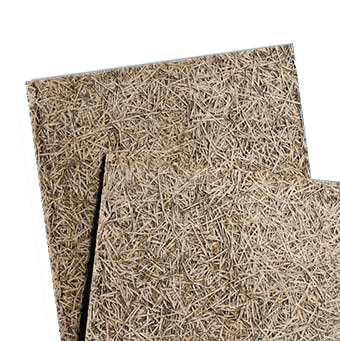
The raw timber in these boards comes from sustainably managed forests and are PEFC labelled. They have all of the advantages of standard board with additional benefits: low environmental impact, high compressive strength, high flexural strength, high resistance to moisture and frost, and are 100% recyclable.
Plaster direct onto Savolit Plus with Limecote internally or with Warmcote and Limecote externally. We also carry a stock of the washers and edge bonding glue, as well as 100mm jointing tape. We stock longer lengths of 2.4m in two thicknesses: 15mm, which is most commonly used internally, and 25mm, most commonly used externally. Other thicknesses and shorter lengths are available — please contact us for details.